
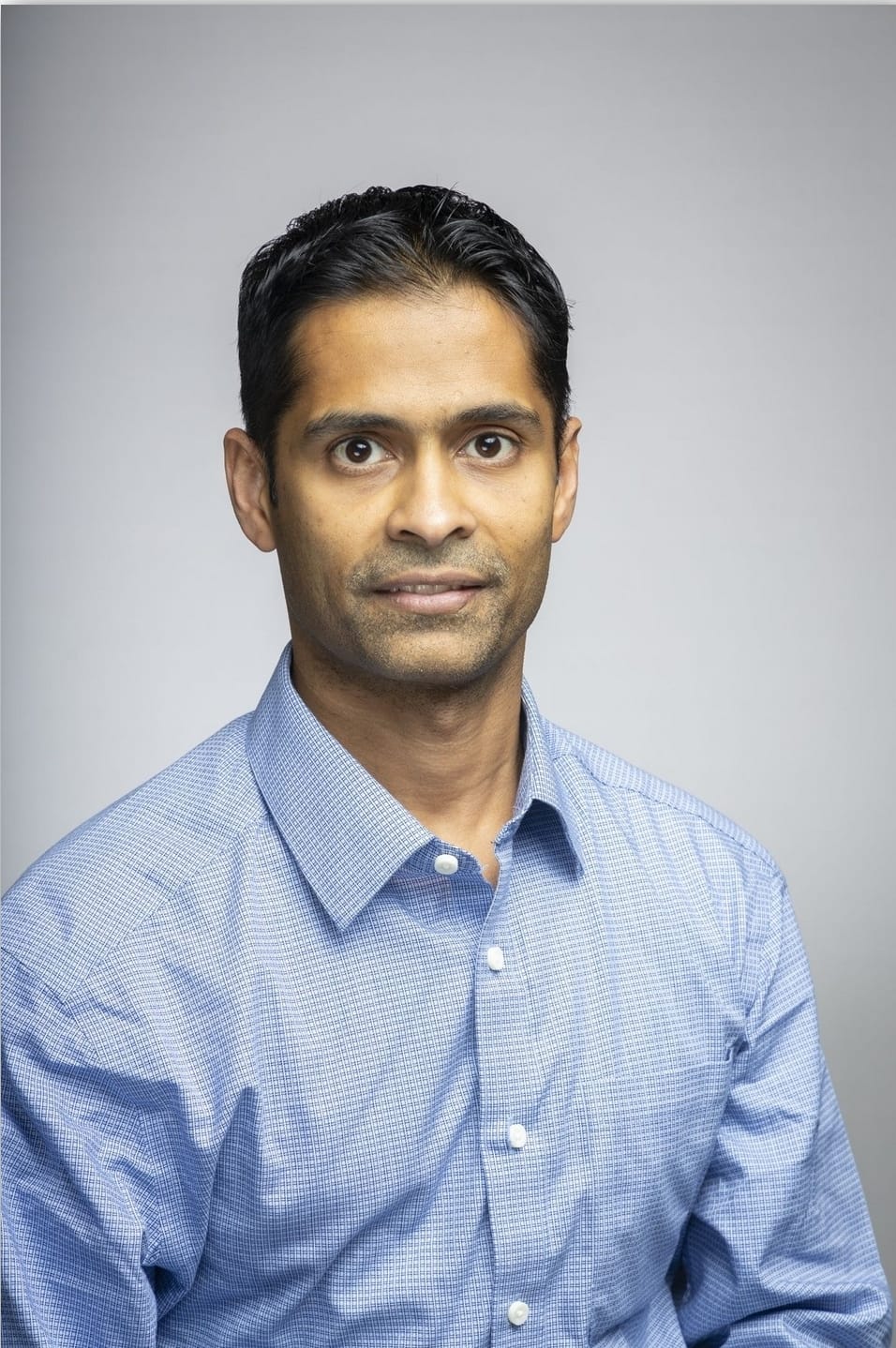
Dr. Prashnat Mutyala
Researcher & Rare Disease Advocate, But I Fly Innovations Inc.
My interest in becoming a researcher at But I Fly Innovations stems from a career-long commitment to using engineering, materials science, and evidence-based problem-solving to address complex healthcare challenges. With more than 15 years of experience in research, product development, process engineering, and manufacturing, I have consistently been motivated by the opportunity to turn scientific knowledge into reliable technologies that improve people’s lives
My academic foundation began in chemical engineering and polymer technology and developed through a PhD in Chemical Engineering at the University of Waterloo. During my doctoral and early professional work, I investigated polymer materials, extrusion processes, material compatibility, and process-property relationships. This work led to peer-reviewed publications and conference presentations on devulcanized rubber, thermoplastic vulcanizates, compatibilization, supercritical carbon dioxide processing, and online monitoring of polymer blends. These experiences taught me how disciplined research, statistical analysis, and collaboration can transform a difficult technical problem into a practical solution.
Over time, my work moved increasingly toward medical-device development and advanced manufacturing. At Heraeus Medevio, I lead engineering activities supporting catheter development programs and serve as a Global R&D Project Lead for extrusion technology transfers from research and development into operations. This includes coordinating multidisciplinary teams, applying design of experiments and Six Sigma principles, developing processes for catheter extrusions—including electrophysiology catheter applications—and helping ensure technologies transfer successfully into production. I have also contributed to strategic planning, technology roadmaps, resource allocation, customer engagement, and commercialization support.
When a condition affects a relatively small patient population, the scientific, clinical, and commercial pathways to diagnosis and treatment can be especially difficult. Patients and families may encounter limited awareness, delayed diagnosis, restricted access to specialists, and few treatment options. Although my professional background is primarily in engineering and materials research, it has shown me that meaningful progress depends on connecting technical expertise with patient needs, clinical insight, education, and strong partnerships.
But I Fly Innovations’ focus on closing critical gaps in rare disease care would therefore be especially compelling to me. The organization’s combination of research, education, and collaboration aligns closely with how I approach complex problems: define the unmet need, gather reliable evidence, work across disciplines, and develop solutions that translate into real-world impact. I would be particularly interested in contributing my experience in experimental design, process development, data analysis, materials, and technology translation to research programs that improve outcomes and expand access for patients and their families.
What would ultimately draw me to this opportunity is the chance to apply my technical career to a mission with direct human significance. Research is most meaningful when it does more than generate knowledge—when it helps people receive better care, provides families with greater hope and clarity, and advances solutions that might otherwise remain out of reach. At But I Fly Innovations, I would hope to bring both rigorous engineering judgment and a strong commitment to collaborative, patient-centered research.